In the rapidly evolving landscape of engineering design, artificial intelligence and advanced simulation technologies are no longer futuristic concepts—they are essential tools reshaping how we conceive, develop, and validate complex engineering systems. From autonomous robotics to precision manufacturing equipment, the integration of AI-driven simulation is enabling unprecedented levels of optimization and innovation.
At Trio Techdesign, we’ve witnessed firsthand how these technologies transform the engineering workflow. What once took months of physical prototyping can now be accomplished in weeks through sophisticated digital twins and predictive modeling. This paradigm shift isn’t just about speed—it’s about enabling a level of design
The AI Revolution in Engineering Design
The integration of artificial intelligence into engineering design processes represents more than incremental improvement—it’s a fundamental transformation in how we approach problem-solving. Machine learning algorithms can now analyze thousands of design iterations simultaneously, identifying optimal configurations that human engineers might never consider.
Key Benefits of AI-Driven Design
- Accelerated Iteration: AI systems can evaluate design variations 100x faster than traditional methods, enabling rapid optimization cycles
- Predictive Analytics: Machine learning models predict component behavior under stress, reducing the need for physical testing
- Material Optimization: AI algorithms identify optimal material combinations for specific performance requirements
- Cost Reduction: Early-stage virtual validation significantly reduces prototype development
"The convergence of AI and simulation technology has fundamentally altered our approach to engineering design. We're no longer constrained by the limitations of physical prototyping—our digital tools allow us to explore design spaces that were previously inaccessible."
— Dr. Michael Roberts, Chief Technology Officer
Advanced Simulation: Digital Twins and Beyond
Digital twin technology represents the pinnacle of simulation-driven engineering. By creating virtual replicas of physical systems, engineers can test, monitor, and optimize performance in real-time. These digital counterparts mirror every aspect of their physical twins, from component-level behavior to system-wide interactions.
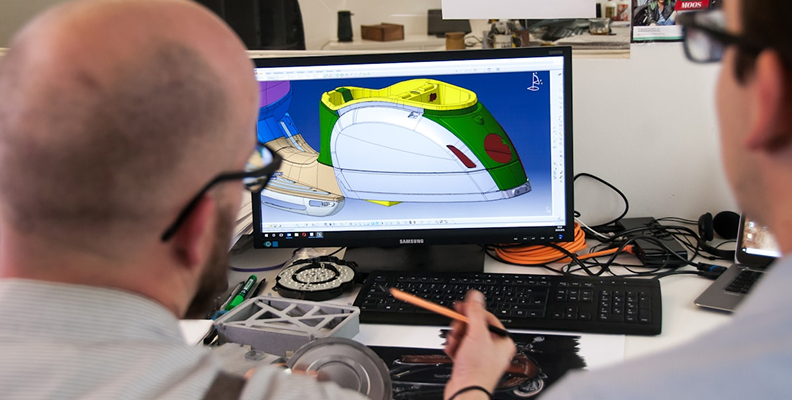
Advanced CAD systems integrated with AI-powered simulation tools enable unprecedented design precision
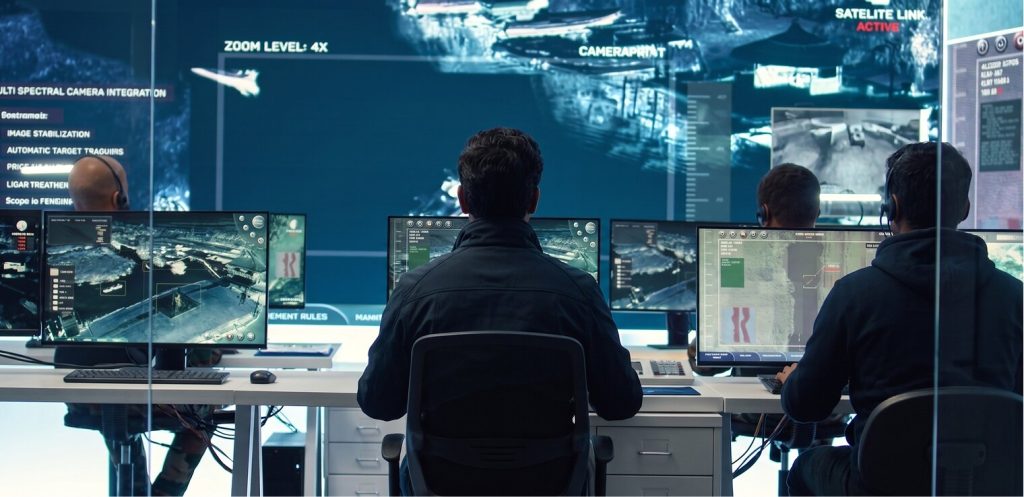
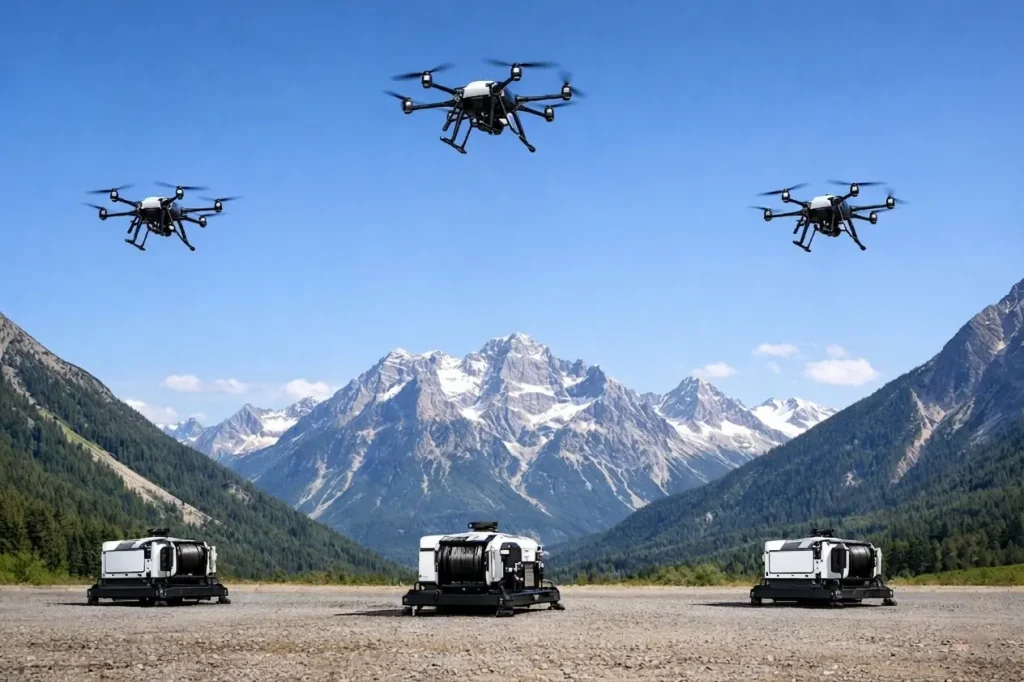
In our recent border surveillance system project, we utilized digital twin technology to simulate over 10,000 operational scenarios before manufacturing a single component. This approach identified critical optimization opportunities that improved system reliability by 34% while reducing material costs by 22%.
Need Engineering Solutions?
Our team of experts is ready to help you leverage AI and simulation technology for your next project. From concept to deployment, we provide comprehensive
The Future Landscape
As we look ahead, the integration of quantum computing with AI-driven simulation promises to unlock even greater capabilities. Imagine being able to simulate molecular-level interactions in real-time or optimize entire manufacturing ecosystems with unprecedented accuracy. These aren’t distant possibilities—they’re on the near horizon.
1. Quantum-Enhanced Simulation
Quantum computers will enable simulation of complex molecular interactions at unprecedented scales
2. Autonomous Design Systems
AI agents that can independently generate, evaluate, and refine engineering solutions
3. Real-Time Adaptive Manufacturing
Production systems that continuously optimize based on real-time performance data
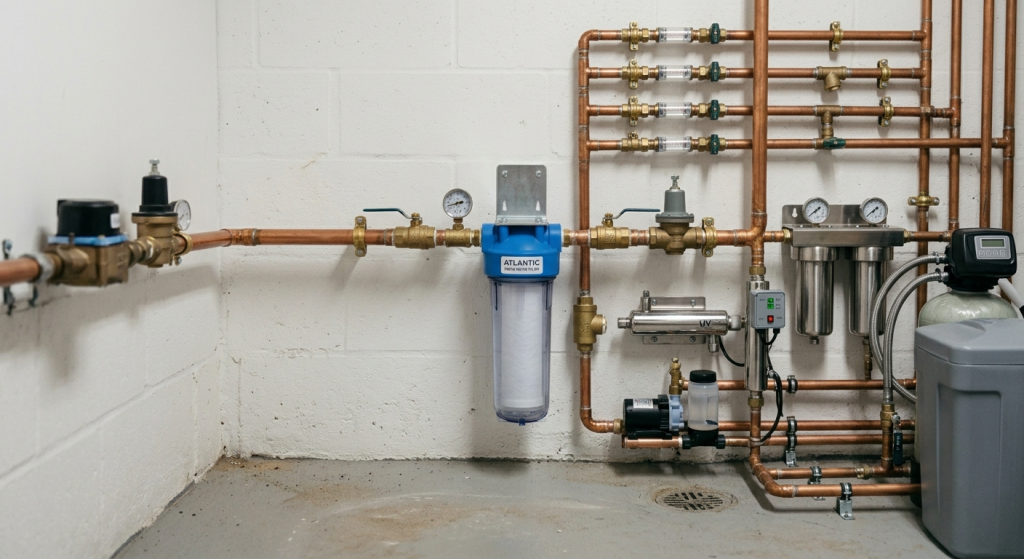
Next-generation precision equipment designed using AI-optimized parametric modeling
The engineering firms that thrive in this new era will be those that embrace these technologies not as optional enhancements, but as fundamental pillars of their design philosophy. At Trio Techdesign, we’re committed to staying at the forefront of this revolution, continuously exploring new applications and pushing the boundaries of what’s possible.
The future of engineering design is here—and it’s more exciting than we ever imagined.